
What happens when a dataset enters a composition?
Numbers do not turn into meaning simply because they are given a pitch or rhythm. Sonification begins with a choice: which change in the data should listeners be able to hear, and what musical relationship can carry it?
At KLING KLANG KLONG, data serves as both information and material. The aim may be to reveal a pattern, create an emotional point of entry or let a changing environment shape a piece over time.
HEARING CHANGE
Human hearing is sensitive to timing, repetition and small changes in rhythm or pitch. Sonification can use these strengths to make trends and events audible.
A rising value might raise a tone. Irregular events might interrupt a pulse. Several datasets might change harmony, orchestration and density at the same time. These mappings can support analysis, but in an artistic work they also shape form and feeling.
Every translation reflects a compositional choice. A dataset does not contain its own melody. The composer decides what to map, how literally to map it and what context the audience needs. Good sonification makes those choices legible instead of presenting sound as automatic proof.
PROJECTS IN PRACTICE
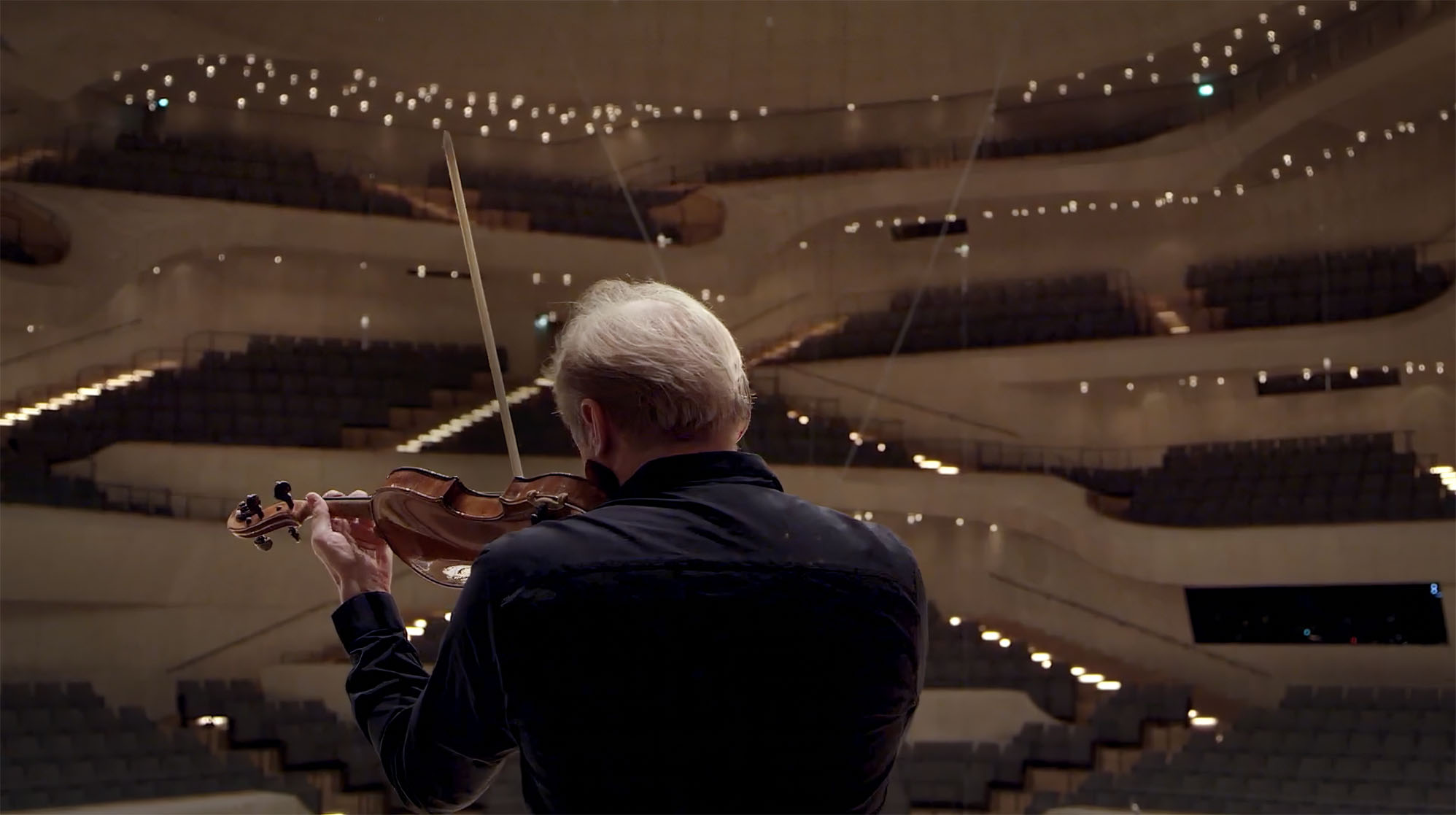
For Seasons reinterprets Vivaldi’s The Four Seasons through climate data covering three centuries.
The collaboration with the NDR Orchestra connected datasets such as temperature, atmospheric CO₂, storms and bird populations to different parts of the score. The familiar composition gives listeners a reference; changes in the data disturb, thin out or reshape what they expect to hear.
In the Spring movement, historical bird-population data affects Vivaldi’s bird motif. Fifteen per cent of its notes are removed. The absence is small enough to recognise the source and large enough to feel that something is missing.
Other datasets influence harmony, timing and orchestration. The work uses them as artistic material, allowing environmental change to act upon a well-known cultural object.
For Seasons has been performed by orchestras in different contexts and became part of a United Nations cultural programme. Each performance keeps the central question alive: how does a changing climate alter something familiar?
A second project applies the same principle to a long-duration environment rather than an existing score. At the underwater research centre Fjord & Bælt in Denmark, weather data from a nearby station and underwater recordings became material for a multichannel composition inside an underwater tunnel.
Rather than producing a short loop, the project uses an audio engine that generates a four-hour musical environment. A day unfolds in forty seconds and a month lasts twenty minutes. Changes in the weather influence musical density, texture and development, allowing visitors to hear a larger annual cycle during one visit.
The composition does not explain every data point. It creates an atmosphere connected to the conditions around the research station, with data, field recordings and music retaining distinct roles within the same spatial experience.
INFORMATION AND INTERPRETATION
The two projects use sonification differently. For Seasons places environmental data inside an existing score, so change becomes audible through disruption and loss. Fjord & Bælt uses a generative system to let local conditions shape a long-duration environment.
Both depend on explicit artistic decisions about which relationships must remain faithful to the data, where musical interpretation can help listeners stay with the material and how much explanation is needed before the sound can be understood.
These questions matter because emotional impact and informational clarity are different. A moving composition can invite attention, but the framing should make clear what the mapping can and cannot establish.
The same concern shapes our current research into semantic and emotional patterns in news and social media. Sonification could make repetition, intensity or shifts in public language audible over time, but any such work would need to expose how language has been classified before it is mapped to sound.
That interpretive step leaves room for ambiguity and should remain audible in the framing of the work. Sonification can offer another way into complex data, but it does not replace reading or visualisation.
RELATED PRACTICES AND FURTHER READING
Data Sonification provides a practical introduction to mapping data into sound while keeping information, interpretation and listening context distinct. Generative Sound explains how rule-based systems let changing data shape a coherent musical environment over time.
Interactive Sound considers how live data or visitor input can become part of responsive sonic behaviour, while Sonic Architects looks at code as a creative structure for systems that listen, change and respond. The project pages for For Seasons and Fjord & Bælt show how the approach changes with the subject, the data and the listening situation.
These projects inform our work with data sonification and generative sound, leading to installations in which environmental, scientific and cultural data becomes a musical structure that listeners can follow without losing sight of how the translation was made.
